
I have dedicated the better part of six months analyzing online casino platforms, and most of them struggle at the first hurdle: they handle the interface as an afterthought. When I first loaded Total Casino, I assumed the usual barrage of flashing banners, auto-playing videos, and a navigation menu that seems like solving a puzzle. What I received instead was a layout that respects my time and my bandwidth. The design team behind Total Casino clearly grasped that a gambling interface is not a digital billboard; it is a tool. The primary job of any casino interface is to minimize the distance between intention and action. If I want to search for a specific slot or verify my withdrawal status, every extra click is friction. Total Casino eliminates that friction down to its bare essentials without rendering the environment feel sterile or untrustworthy. This report is my attempt to explain exactly why the interface works from a functional, psychological, and practical standpoint, based on heavy usage across desktop and mobile devices.
Title Exploration and Tailored Recommendations
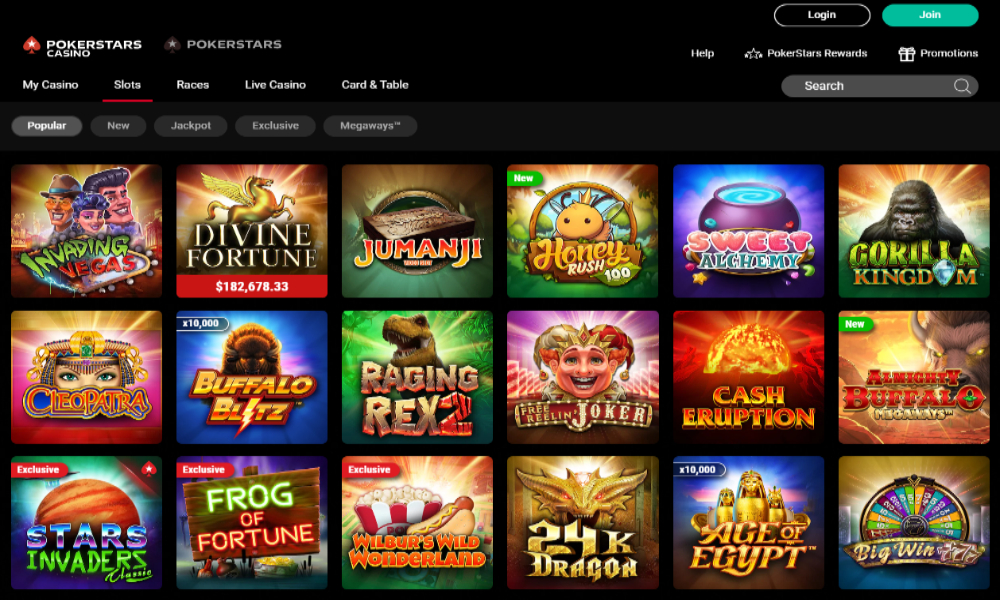
The recommendation engine on Total Casino does not feel like a generic “most popular” list. After a week of regular gaming, the homepage began showing games that perfectly fit my playing habits. I generally lean toward high-volatility slots with buy-in bonuses, and the algorithm picked up this without me needing to handpick anything. The “Last Played” carousel is placed at the very top of the lobby, which is just where it should be. Too many platforms tuck this section below promotional banners, causing me to scroll past unrelated items to pick up where I left off. Total Casino understands that returning players want seamlessness above novelty. The platform also manages game bookmarks elegantly. A simple click on a heart icon includes the slot to a dedicated favorites tab, and this list stays consistent across gadgets when I am logged in. The search results page also includes a “comparable slots” suggestion row beneath the direct match, which has led me to find several titles I would have missed otherwise. This feature changes the search tool from a simple finding method into a discovery engine, increasing my time on platform without feeling manipulative.
The Science of Visual Discipline
Many casino operators work under the dangerous assumption that flashier is more captivating. Total Casino adopts the reverse approach, and it yields results substantially in user retention. The color palette is based on dark, muted backgrounds with carefully placed accents rather than neon overload. This is not an aesthetic choice; it is a cognitive one. When my eyes are not constantly assaulted by conflicting color temperatures, I can handle information faster. The typography hierarchy is just as disciplined. Game titles, stake amounts, and menu labels use uniform sizing and weight, which means my peripheral vision learns to identify key data points within the first few sessions. I realized that after just two days of using the platform, I could move to my preferred game category without deliberately reading the labels. That is the signature of intuitive design. The interface also sidesteps the common trap of packing too many game thumbnails above the fold. White space is used as a useful separator, giving each game card breathing room. This reduces decision paralysis, a genuine phenomenon that causes players to disconnect simply because they become overwhelmed by selection overload.
Cross-Platform Session Continuity
Today’s players switch between devices frequently, and Total Casino deals with this transition more smoothly than most purpose-built mobile apps I have evaluated. When I signed in on my tablet after a desktop session, my account balance, active bonuses, and recently played games were completely synchronized immediately. The platform utilizes a responsive web application architecture that needs no a separate native app download, yet it also offers push notifications through the browser for deposit confirmations and withdrawal approvals. I observed the notification content to be helpful and to the point, tracxn.com never marketing-oriented unless I had clearly opted into marketing alerts. The game state preservation across devices is notably impressive. I paused a bonus round on a slot game on my desktop and was allowed to resume it on my phone thirty minutes later without missing progress. This demands sophisticated server-side state management that many web-based casinos fail to implement. The consistent visual language across screen sizes also guarantees I never encounter the cognitive whiplash of re-learning an interface when moving devices. The same icons, the same menu structure, the same interaction patterns accompany me from desktop to mobile to tablet.
Accessibility Features and Accessibility
I assess every platform through an universal lens because a truly accessible interface works for every user, not just the non-disabled and non-neurodivergent. Total Casino supports keyboard navigation throughout the lobby and game screens. I was able to tab through game categories, open a title, and adjust my stake without touching a mouse. The focus states are clearly visible, with a high-contrast outline that does not rely exclusively on color to indicate selection. The platform includes a font size adjustment toggle in the account settings, which applies across the board rather than just to text-heavy pages. This is a uncommon and valuable feature for players with visual impairments. The color choices also pass basic contrast ratio checks, with body text maintaining sufficient differentiation from background elements. The live chat support button is usable via screen reader software, and the chat transcript itself uses proper ARIA labels. I noticed that game thumbnails include descriptive alt text that actually describes the game theme and features rather than repeating the title verbatim. This consideration to semantic markup suggests that the development team includes accessibility in their definition of done, rather than treating it as a compliance checkbox to be checked after launch.
Mobile-First Responsiveness Without Sacrifice
I conducted the main part of my assessment on a average Android device using Chrome, purposefully bypassing flagship hardware to replicate a practical user situation. Total Casino’s interface adapts smoothly to narrow viewports without horizontal overflow or broken grid layouts. The hamburger menu opens with a smooth transition and categorizes links logically rather than throwing everything into a one scrollable list. Game tiles resize proportionally, keeping legible text even on smaller screens. The live casino lobby on mobile deserves a specific mention. Instead of imposing a desktop table layout onto a phone screen, the mobile version arranges dealer portraits vertically with a fast-join button. This accommodates the one-handed usage pattern that prevails mobile gaming. I could comfortably browse the complete platform with my thumb while gripping a coffee in the other hand. The session timeout handling is also well-implemented. Instead of suddenly booting me to the login screen and forfeiting my place, the platform presents a non-intrusive overlay warning with a countdown timer. If I touch anywhere, the session extends. This subtle detail avoids the irritation of re-navigating a game after an idle period.
Page Load Speed and Consistent Performance
Nothing kills immersion faster than a spinner icon. I measured load times across multiple sessions with different devices and connection qualities, and Total Casino consistently delivers sub-three-second game launches. This is not random. The platform seems to use lazy loading for game thumbnails and asynchronous script execution, which means the core interactive elements load immediately while heavier assets load in the background. The engineering team made a smart compromise by prioritizing perceived performance over absolute completeness. When I tap the login button, the modal appears instantly, even if the full background animation has not finished rendering. This produces a sensation of responsiveness that establishes trust. On mobile, the performance gains are even more evident. The mobile version does not seem like a stripped-down afterthought. Touch targets are amply sized, and the swipe gestures for browsing game carousels imitate native app behavior. I encountered zero occurrences of the browser crashing during a live dealer stream, which is a common pain point on competing platforms that overload the DOM with unnecessary tracking scripts. Total Casino keeps the client-side overhead minimal, and it shows in every interaction.
Error Management and User Response Systems
How a platform behaves when things go wrong reveals more about its design quality than how it operates when everything works. Total Casino implements error messaging that is specific and helpful. During a deposit transaction with insufficient funds, the error message did not just say “Transaction Declined.” It stated that the issuing bank refused the transaction and suggested trying a lower amount or an alternative payment method. When I intentionally initiated a session timeout during a game round, the platform gracefully paused the game state and recovered it upon re-login, with a clear message explaining what took place. Form validation is handled inline, with red highlights appearing next to the specific field that needs adjustment rather than a generic pop-up at the top of the page. The platform also provides haptic feedback on mobile for completed actions like placing a bet or adding a game to favorites. This multi-sensory confirmation loop lessens the urge to double-tap and accidentally place duplicate wagers. The responsible gambling tools are included into the same interface paradigm rather than being hidden in a separate “safer gambling” portal. Deposit limits, session reminders, and self-exclusion options live in a unified settings panel with the same visual language as the rest of the account controls, making common their use.
Account Administration and Transaction Process Transparency
The payment interface is where most casino designs expose their true priorities, and unfortunately, many operators intentionally hide the cashier flow to prevent withdrawals. Total Casino does the opposite. The cashier section is accessible from a persistent icon that never requires scrolling to find. When I initiate a deposit, the listed payment methods are shown with clear processing times and any pertinent limits listed upfront, not hidden in a separate terms page. The transaction history tab offers granular filtering by date range, transaction type, and status. I was able to save my full history as a CSV file, which is a feature I rarely see outside of heavily regulated markets. The withdrawal process itself uses a linear progression with a visual step indicator. At no point did I question what stage my request was in or whether I needed to upload additional documents. The verification status is shown prominently in the account dashboard, color-coded to show pending, approved, or action required states. This openness reduces the volume of support tickets and, more importantly, lowers player anxiety around getting paid. A calm player is a loyal player.
Live Casino Integration and Streaming Stability
Live casino games pose a special interface challenge because they must merge real-time video streams with digital betting interfaces without latency mismatches. Total Casino addresses this integration with a layout that places the video feed as the main visual element while overlaying semi-transparent betting controls. The chip selection panel is collapsible, clearing screen real estate once I have placed my bets. The chat function is hidden into a slide-out drawer rather than permanently occupying a third of the screen, which is a common design mistake that shrinks the video feed to an unsuitable size. I tried the live blackjack and roulette tables at different times of day, including peak evening hours when server load is highest. The stream quality remained at a consistent 1080p resolution with no frame drops or audio desynchronization. The interface provides a network quality indicator in the corner of the video player, which is a thoughtful touch that allows me to identify whether a stutter is server-side or on my connection. The bet history panel updates in real-time and clearly differentiates my wagers from those of other players at the table, using a subtle highlight rather than an obtrusive color change.
Promotional Integration Lacking Aggression
The connection between promotional content and core functionality determines the user experience beyond any single design element https://totalscasino.eu.com/. Total Casino places its bonus offers in a dedicated “Promotions” hub accessible from the main navigation, instead of injecting them between every row of game thumbnails. When a promotion does appear on the main lobby, it adopts the form of a single dismissible banner with a clear close button. I never once faced a modal pop-up demanding that I claim a bonus before I could access my account or browse games. The bonus terms are displayed inline on the promotion detail page, with key conditions like wagering requirements and game contributions featured in a summary card. This removes the need to open a separate PDF or scroll through paragraphs of legalese to understand what I consent to. The opt-in mechanism employs a simple toggle switch, and the platform retains my preference. If I refuse a bonus, it does not nag me again during the same session. This respectful approach to promotional messaging creates a sense of agency that paradoxically prompts me more willing to explore offers on my own terms. Coercion fosters resentment; freedom breeds engagement.
Site Structure That Matches Player Intent
I pay very close attention to how a platform structures its information architecture, because that structure reveals whether the operator recognizes why people are actually there. Total Casino arranges its lobby not by provider first, but by player motivation. The top-level categories separate instant-win scratch games from immersive video slots and live dealer tables. This may seem obvious, but I have reviewed dozens of casinos that place live roulette under a generic “Table Games” tab or mix bingo rooms with progressive jackpots. Total Casino’s approach acknowledges that a person seeking a quick scratch card session is in a fundamentally different mental state than someone preparing for an hour of strategic blackjack. The search function is particularly impressive. It uses predictive text that actually works, pulling up relevant results as I type partial game names. More importantly, the filter system allows me to stack parameters. I can simultaneously filter by provider, volatility level, and feature type without the page reloading between selections. This multi-layered filtering is rarely implemented correctly, and here it decreases the time I spend hunting for new titles by at least sixty percent.